


Table of Contents
- Fleece vs Sherpa Blankets: Key Differences at a Glance
- Is Sherpa Warmer Than Fleece? Heat Retention Explained
- Material Construction and Pile Weight
- Softness, Texture, and Comfort Feel
- Best Blanket Material for Winter: Choosing by Temperature and Use
- Fleece Blanket Care and Washing: Durability and Maintenance
- Sherpa Blanket Pros and Cons: Long-Term Performance
- Which Blanket Should You Choose?
- Frequently Asked Questions
Last Updated: October 11, 2026
Fleece vs Sherpa Blankets: Key Differences at a Glance
When shopping for a cold-weather blanket, the choice between fleece and sherpa matters. Understanding the actual difference between these two materials separates a blanket you'll love from one that disappoints. Fleece vs sherpa blankets for cold winters comes down to construction, warmth retention, and how each material behaves over time.
Fleece is the base fabric; sherpa is typically a backing layer. This difference creates real performance variations in warmth, softness, and durability. Both are synthetic polyester blends, affordable, durable, and easy to care for, but they trap heat and breathe differently.
Quick Comparison Table
| Feature | Fleece | Sherpa |
|---|---|---|
| Material Type | Knit polyester fibers | Polyester backing with high pile |
| Warmth Level | Good heat retention | Excellent heat retention |
| Softness | Smooth, soft front | Ultra-plush, fuzzy backing |
| Weight | Lightweight to medium | Medium to heavyweight |
| Breathability | Moderate; can trap heat | Lower; traps more heat |
| Pilling Risk | Low to moderate | Higher over time |
| Best For | Mild winters, layering | Severe cold, stationary use |
| Care | Machine wash cold, tumble dry | Wash separately, gentle cycle |
Is Sherpa Warmer Than Fleece? Heat Retention Explained
Yes, sherpa blankets are warmer than fleece. Sherpa's high-pile construction creates more pockets of trapped air, insulating more effectively against cold. In genuine winter conditions with temperatures below freezing, sherpa's superior heat retention makes a measurable difference.
Fleece provides solid warmth for moderately cold environments. The lower pile height means fewer air pockets than sherpa, but still effective insulation.
Sherpa's heat-trapping ability matters most when stationary, sleeping or lounging. For frequent movement or layering, fleece's lighter weight is an advantage.
Sherpa holds heat so effectively it can feel suffocating in warm rooms. Fleece allows more air circulation, adapting better to temperature fluctuations.
Material Construction and Pile Weight
Understanding how these blankets are actually made explains why they perform so differently.
How Fleece Traps Heat
Fleece is constructed from brushed knit polyester fibers woven densely enough to trap air without feeling stiff. The warmth comes from this dense knit structure.
Fleece's low-to-medium pile height gives it a sleeker appearance and lighter feel, making it ideal for layering. The downside: fewer air pockets means less insulation per square inch.
Fleece has consistent texture throughout with no backing layer, making it uniform in performance and easier to care for.
How Sherpa Backing Creates Extra Insulation
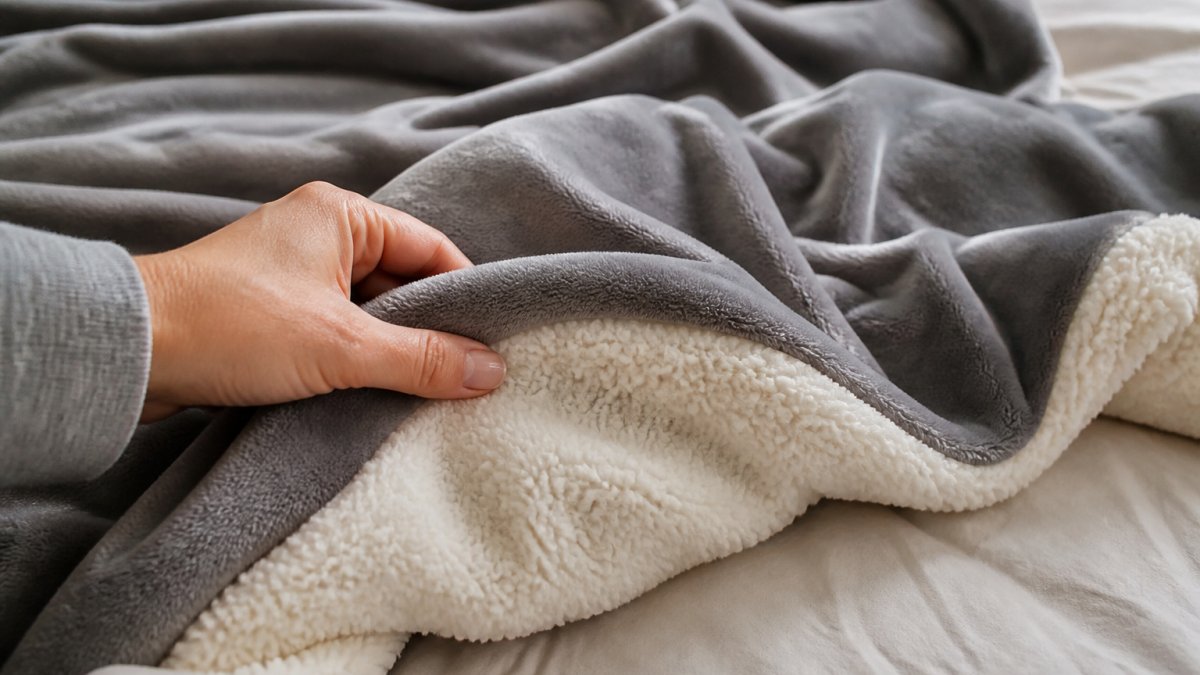
Sherpa is typically a backing layer with a smooth fleece front and fluffy sherpa back. This two-layer construction makes sherpa blankets highly effective at trapping heat.
Sherpa's high pile creates significantly more air pockets than standard fleece, trapping warm air close to your body. Higher density means more fibers per square inch insulating.
Sherpa's greater weight reflects its thicker construction and is part of what makes it effective at heat retention, keeping the blanket in place during sleep.
The trade-off: high pile is prone to pilling and shedding. After repeated washing, sherpa may not feel as plush as when new.
Softness, Texture, and Comfort Feel
This is where personal preference becomes as important as performance. Fleece and sherpa feel dramatically different against your skin.
Fleece has smooth, consistent softness with no texture variation. For those preferring a sleek sensation, fleece wins. Its smoothness also means less static electricity than sherpa.
Sherpa is unmistakably plush and fuzzy, with high pile creating a textured, luxurious surface. Many find this texture deeply comforting, making sherpa feel like an indulgence.
Sherpa's high pile generates static electricity, particularly in dry winter conditions. Fleece is less prone to this issue.
Fleece allows more air circulation and won't feel clammy for warm sleepers. Sherpa's tighter weave creates a cocooned feeling some crave but others find suffocating.
Best Blanket Material for Winter: Choosing by Temperature and Use
Your climate and how you actually use the blanket should drive your decision.
If you live somewhere with mild winters, temperatures rarely dropping below 40°F, fleece is likely sufficient. A good fleece blanket will keep you warm for sleeping and lounging without the extra bulk of sherpa. Fleece also works better if you live in a climate with variable winters where some nights are cold and others are merely cool.
If you're dealing with genuine cold winters, temperatures regularly below freezing, sherpa is the stronger choice. The superior heat retention means you'll stay warmer without needing multiple layers of blankets. Sherpa shines in bedrooms that aren't heavily heated or in homes where you're trying to reduce heating costs. The extra insulation from sherpa's backing does real work in harsh conditions.
Consider also how stationary you are. Sherpa works best when you're staying in one place, sleeping, reading, or watching television. If you're moving around frequently, the weight and restrictive nature of sherpa becomes less appealing. Fleece's lighter weight makes it better for active use.
Budget matters too, though the difference isn't enormous. The Basket Filler's sherpa fleece blankets start at $33.10, offering personalized designs combined with genuine warmth and durability. For a personalized gift that delivers real comfort in cold weather, a quality sherpa blanket like our To My Daughter Braver I Love You (From Mom) - Sherpa Fleece Blanket combines both materials for maximum effectiveness.
To My Daughter Braver I Love You (From Mom) – Sherpa Fleece Blanket →

Fleece Blanket Care and Washing: Durability and Maintenance
Fleece is easy to care for, which is one of its genuine advantages. Machine wash in cold water on a gentle cycle, tumble dry on low heat, and you're done. Fleece doesn't require special handling, and it resists shrinking and fading well when washed properly.
The main durability concern with fleece is pilling, those little balls of fiber that form on the surface over time. Fleece is less prone to pilling than sherpa, but it can still happen, especially if the blanket experiences friction or rough handling. Pilling doesn't affect warmth or function, but it does affect appearance. A high-quality fleece blanket will pill less than a cheaper one.
Fleece also resists shedding. You won't find loose fibers all over your clothes and furniture the way you might with a new sherpa blanket. This makes fleece more practical for people who are particular about cleanliness.
The long-term durability of fleece is solid. A well-made fleece blanket can last for years of regular washing without significant degradation. The color holds well thanks to modern dye processes, and the material doesn't break down easily.
One caution: avoid high heat. Fleece is polyester, and high dryer heat can damage the fibers or cause pilling. Stick to low or medium heat, and your fleece blanket will maintain its quality for years.
Sherpa Blanket Pros and Cons: Long-Term Performance
Sherpa blankets deliver exceptional warmth, but they come with trade-offs that matter over time.
The pros are substantial. Sherpa provides superior heat retention, making it the clear winner for cold climates. The plush texture is genuinely luxurious and comforting. Sherpa blankets feel like an indulgence, which is why they're popular as gifts.
The cons require honest acknowledgment. Pilling is the biggest issue. Sherpa's high pile is prone to forming those fiber balls, especially after repeated washing or if the blanket experiences friction. The pilling is mostly cosmetic, it doesn't affect warmth, but it does make the blanket look worn. Shedding is also more noticeable with sherpa.
Static electricity is another real concern. Sherpa generates more static than fleece, particularly in dry winter conditions. If you're sensitive to static shocks, this might be frustrating.
Sherpa also requires more careful washing. The product instructions recommend washing separately in cold water on a delicate cycle and tumble drying on low. This is gentler on the fibers and reduces pilling, but it's more involved than fleece care. Some people find the extra steps inconvenient.
The weight and density that make sherpa so warm can feel heavy or restrictive if you're a restless sleeper. If you toss and turn frequently, you might find yourself fighting with the blanket instead of enjoying it.
Which Blanket Should You Choose?
The answer depends on three factors: your winter climate, how you use the blanket, and what matters most to you.
Choose fleece if:
- You live in a mild winter climate
- You want a lightweight, versatile blanket
- You prefer easy care and minimal maintenance
- You're sensitive to static electricity
- You want a blanket that adapts to temperature changes
Choose sherpa if:
- You deal with genuine cold winters
- You prioritize maximum warmth
- You're willing to accept higher maintenance
- You want that luxurious, plush feeling
- You're stationary when using the blanket (sleeping, lounging)
The Basket Filler's sherpa fleece blankets offer the best of both worlds. Our designs feature a smooth polyester front with a super-fluffy sherpa back, giving you warmth without sacrificing comfort. Each blanket is crafted from thick, plush polyester fleece with hemmed edges for durability. Our blankets are designed to deliver genuine coziness whether you're curling up for the night or draping one over your couch.
Our To My Daughter Loved (From Dad & Mom) - Sherpa Fleece Blanket and other personalized options combine the warmth science we've discussed with meaningful design. Each blanket uses dye sublimation for vibrant, enduring colors and includes decorative zigzag stitching on the edges.

For most people dealing with cold winters, sherpa's superior heat retention justifies the extra care. The warmth difference is real, not theoretical. But if you value simplicity and adaptability, a quality fleece blanket delivers reliable performance without the maintenance demands.
The choice between fleece and sherpa blankets for cold winters isn't complicated once you understand how each material actually works. Sherpa wins on warmth and luxury; fleece wins on versatility and ease of care. At The Basket Filler, we recommend sherpa for anyone serious about staying warm through harsh winters.
Frequently Asked Questions
Is sherpa warmer than fleece blankets?
Sherpa typically provides more warmth than standard fleece because of its thicker pile and denser fiber construction. Sherpa's fluffy backing creates extra insulation layers that trap more body heat. However, the difference depends on the fleece weight and pile density. High-quality fleece with substantial pile can rival sherpa warmth, but sherpa-backed blankets generally excel in cold winter conditions. For the coldest nights, sherpa wins.
What is the best blanket material for winter?
Sherpa-backed fleece blankets offer the best balance for winter use because they combine the softness of fleece with the extra insulation of sherpa backing. The dual-layer construction traps heat effectively while remaining breathable enough to prevent overheating. Polyester fleece materials are also durable, resistant to pilling, and easy to care for in winter when frequent washing is needed.
How should I wash and care for fleece blankets?
Wash fleece blankets separately in cold water on a delicate cycle to preserve softness and prevent pilling. Tumble dry on low heat or air dry to maintain the fabric's integrity. Avoid fabric softener and bleach, which damage synthetic fibers. Check care labels before washing, as some personalized fleece blankets with dye sublimation designs require extra care to preserve vivid colors and decorative stitching details.
What are the main pros and cons of sherpa blankets?
Sherpa blankets offer excellent warmth, luxurious softness, and durability when properly cared for. The fluffy backing provides superior insulation for cold sleepers. Cons include potential for shedding if not washed correctly, and they may feel too warm in mild weather or heated rooms. Sherpa also requires gentle washing to maintain loft and prevent matting over time.
Can I use a sherpa fleece blanket year-round?
Sherpa fleece blankets work best for cold months and cooler climates. Their dense insulation makes them too warm for spring, summer, or mild winters. However, they're versatile for layering, drape one over a couch or use it for outdoor events in cool evenings. If you want a single blanket for year-round use, lighter fleece without sherpa backing is more practical, though it sacrifices winter warmth.


