


Table of Contents
- Best Softest Fleece Blankets for Sensitive Skin
- Softness and Plushness: What Makes Fleece Feel Good on Sensitive Skin
- Hypoallergenic Blankets and Allergy-Friendly Materials
- Best Blanket Material for Sensitive Skin: Fleece Types Compared
- Microfleece vs. Sherpa Blanket: Which Is Softer for Sensitive Skin
- How to Wash a Fleece Blanket to Preserve Softness and Reduce Irritants
- Warmth, Breathability, and Year-Round Comfort
- Frequently Asked Questions
Last Updated: October 17, 2026
Best Softest Fleece Blankets for Sensitive Skin
Finding the right blanket when you have sensitive skin means balancing softness with breathability, warmth without irritation, and durability that survives repeated washing. The softest fleece blankets for sensitive skin aren't all created equal; material composition, fiber type, and care routines matter. At The Basket Filler, we understand that a truly cozy blanket should feel gentle against delicate skin while holding up to the washing cycles that keep it clean and irritant-free.
This guide covers blanket materials and construction methods, compares fleece types, and shows you how to maintain softness. Whether you're shopping for yourself or selecting a thoughtful gift for someone with reactive skin, the recommendations below are built on material science.
Quick Comparison Table
| Blanket Type | Best For | Material Composition | Price Range | Key Benefit |
|---|---|---|---|---|
| Mink Touch Fleece | Budget-conscious shoppers | Polyester fleece with metallic sheen | $25.74 | Ultra-soft with vibrant colors |
| Coral Fleece | Vibrant color preference | Fluffy coral fleece and polyester | $25.74 | Soft texture with bold design options |
| Jersey Fleece | Layered softness seekers | Knit polyester face with brushed fleece back | $47.81 | Dual-texture comfort |
| Sherpa Fleece | Maximum plushness | Smooth polyester front with fluffy sherpa back | $33.10 | Exceptional softness on both sides |
| Hooded Sherpa | Extra warmth and coverage | Smooth polyester exterior with soft sherpa interior | $66.20 | Complete coziness with hood |
Softness and Plushness: What Makes Fleece Feel Good on Sensitive Skin
The softest fleece blankets achieve their texture through fiber density and surface finish, not just material type. Microfleece and sherpa constructions create that plush feeling by trapping air in the fabric structure, which also means they breathe better than solid-weave alternatives. When you're shopping for sensitive skin, you're looking for blankets where the fibers don't irritate during the initial contact and won't shed loose fibers that trigger reactions over time.

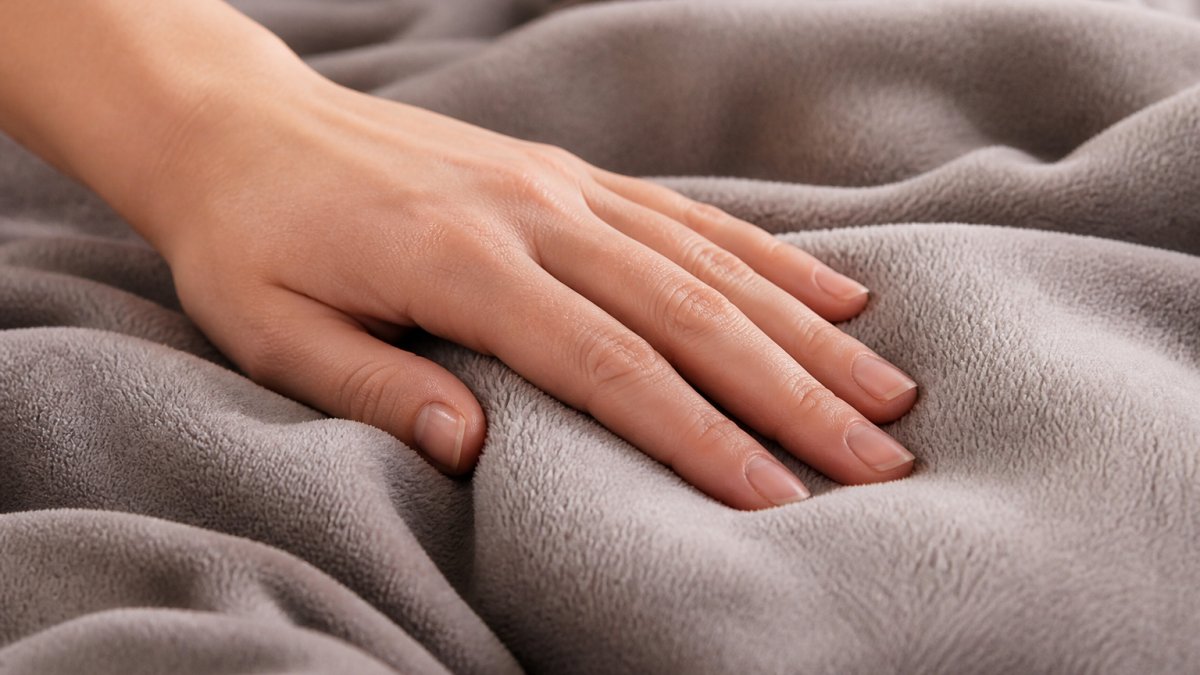
The key difference between genuinely soft blankets and those that feel soft for a few washes comes down to fiber quality and the finishing process. Polyester fleece blankets from The Basket Filler use dye sublimation printing, which bonds color directly to the fibers rather than sitting on top, this means the surface stays smooth without the stiffness that comes from traditional fabric printing. A blanket with a metallic sheen finish, like our Mink Touch option, adds visual appeal while maintaining that ultra-soft hand feel that won't irritate reactive skin.
Thickness matters, but it's not the whole story. A thicker fleece blanket isn't automatically softer, it's the fiber construction that counts. Jersey fleece blankets, which combine a printed knit face with a brushed fleece back, deliver a unique two-sided experience: the front feels smooth and cool to the touch, while the back offers plush warmth. This dual-texture approach works well for people whose sensitivity shifts depending on temperature or stress levels.

Hypoallergenic Blankets and Allergy-Friendly Materials
The term "hypoallergenic" appears on many blanket labels, but it's largely a marketing claim. What actually matters for allergy-prone and sensitive skin is the material itself and how it's processed. Polyester fleece is naturally hypoallergenic because it resists mold and mildew growth.
When shopping for hypoallergenic blankets, focus on construction details rather than the label claim. Blankets with tightly woven fibers shed less. Sherpa fleece construction, where a smooth polyester exterior sits backed by a fluffy sherpa interior, naturally resists shedding because the fibers are anchored on both sides.
The dye sublimation printing process used on The Basket Filler's blankets also supports allergy-friendly performance. Because the design bonds directly to the fibers rather than sitting on the surface, there's no risk of ink particles flaking off during washing and ending up against your skin.
Best Blanket Material for Sensitive Skin: Fleece Types Compared
Fleece comes in several varieties, and the differences matter when you're managing sensitive skin. Microfleece and micro-plush are terms used interchangeably to describe tightly constructed polyester with a very fine surface. This type works well because the small fiber diameter means less irritation on initial contact, though some people find it retains static electricity. Sherpa fleece, by contrast, uses larger fibers arranged in a woolly pattern that mimics the look and feel of sheepskin.
Mink touch fleece represents a specific finish that creates an exceptionally smooth surface, it's polyester that's been treated to feel like mink fur, which explains the name. For sensitive skin, this smooth finish means less fiber friction during sleep and wear. The metallic sheen finish adds visual appeal without compromising the soft hand feel.
Jersey fleece combines a printed knit polyester face with a brushed fleece back, creating what amounts to two different materials in one blanket. The knit face feels cool and smooth, similar to cotton jersey fabric, while the back provides warmth and plushness. This construction is ideal, you can flip the blanket depending on whether you need cooling or warming, and you get two different tactile experiences from a single product.
Coral fleece sits between microfleece and sherpa in terms of texture. It's fluffy and soft without being as densely constructed as sherpa, which means it's lighter and more breathable. For people who get overheated easily or whose skin reacts to heavy fabric weight, coral fleece offers a middle ground: genuine softness and warmth.

Microfleece vs. Sherpa Blanket: Which Is Softer for Sensitive Skin
The answer depends on what "softer" means to you. Microfleece feels smoother and cooler to the touch, if you run your hand across it, the surface feels almost slippery. Sherpa feels fluffier and warmer because the larger fiber structure traps more air. For sensitive skin, microfleece often wins on initial comfort because the smooth surface causes less friction. However, sherpa blankets shed less over time because the fibers are anchored more securely.
Microfleece blankets are thinner and lighter, making them better for people who overheat easily or whose skin reacts to heavy fabric weight. They dry faster after washing, which means less time for bacteria or mold to develop in damp fabric. The downside: they don't provide as much warmth, so they work better as throw blankets or in warmer climates.
Sherpa blankets deliver maximum plushness and warmth because the fiber construction creates air pockets throughout the fabric. They're heavier, which some people find comforting and others find irritating. The fluffy texture means more surface area in contact with your skin. Hooded sherpa blankets take this further by adding a sewn-in hood that provides extra coverage and warmth without requiring you to wrap yourself tightly.
Faith Does Not Make Things Easy – Mink Touch Fleece Blanket →
How to Wash a Fleece Blanket to Preserve Softness and Reduce Irritants
Washing is where most people accidentally damage their blankets. Hot water breaks down the fiber structure, causing pilling and shedding. Fabric softener and dryer sheets coat the fibers with waxy residue that builds up over time. The right care routine keeps your blanket soft.
Machine wash your fleece blanket separately in cold water on a delicate cycle. Separate washing prevents lint transfer from other fabrics and ensures the blanket gets proper agitation without being beaten up alongside heavier items. Use a mild detergent, the same product you'd use for delicate clothing, and skip fabric softener entirely. Softener coats the fibers and reduces breathability, which traps moisture.
Tumble dry on low heat or, better yet, air dry. Low heat preserves the fiber structure better than high heat, but air drying is genuinely superior for sensitive skin because you avoid any heat damage and static electricity buildup. If you must use a dryer, add a wool dryer ball instead of dryer sheets, the ball agitates the fibers without coating them with residue.
Wash your blanket every 2-4 weeks if you use it nightly, or every 4-8 weeks if it's a throw blanket. More frequent washing keeps the blanket clean; less frequent washing risks buildup of dead skin cells, dust, and sweat. The cold water delicate cycle is gentle enough to support frequent washing without degrading the blanket.
Warmth, Breathability, and Year-Round Comfort
Fleece blankets balance warmth and breathability, which makes them practical for people with temperature-sensitive skin. Polyester fleece traps warm air without creating the moisture-trapping effect that comes from heavy wool or down. This means you stay warm without overheating.
Microfleece and coral fleece offer lighter warmth suitable for spring and fall or as layering blankets in winter. Jersey fleece provides moderate warmth with excellent breathability because the knit face allows air circulation. Sherpa blankets deliver maximum warmth and work well for winter use or in cold climates, though they can feel too heavy during warm months.
The key to year-round comfort with sensitive skin is having options. A lighter coral or mink touch fleece blanket works for warmer seasons, while a sherpa or jersey fleece handles winter. Hooded sherpa blankets solve the problem differently, the hood provides extra warmth without requiring you to bundle yourself tightly, which can irritate skin through prolonged friction.
Breathability matters because moisture buildup. Fleece doesn't absorb moisture the way cotton does, which means sweat doesn't sit against your skin. However, if you overheat and sweat heavily, that moisture has nowhere to go, so choosing the right weight for your climate and sleep style prevents the damp-blanket problem.
Choosing the softest fleece blankets for sensitive skin means prioritizing material construction and care routines over marketing claims. The Basket Filler's collection includes options across the softness and warmth spectrum, from the ultra-soft mink touch finish at $25.74 to the maximum-plushness hooded sherpa at $66.20.
Frequently Asked Questions
Are fleece blankets good for sensitive skin?
Fleece blankets can be excellent for sensitive skin when made from high-quality polyester and properly cared for. Soft fleece materials like microfleece and sherpa create a smooth surface. However, quality matters: cheaper fleece may shed fibers or retain irritants. Washing your fleece blanket in cold water on a delicate cycle and tumble drying on low helps preserve softness.
What is the softest type of fleece for sensitive skin?
Sherpa fleece and microfleece are among the softest options for sensitive skin. Sherpa offers a plush, velvety texture with a soft backing that feels gentle against the skin, while microfleece provides a smooth, ultra-soft surface. Mink touch fleece, with its metallic sheen finish, adds a luxurious feel. Jersey fleece, which combines a knit face with a brushed fleece back, balances softness with durability. The best choice depends on your preference for texture and how the blanket will be used.
How do you wash a fleece blanket to keep it soft?
Machine wash your fleece blanket separately in cold water on a delicate cycle to prevent damage and pilling. Use a gentle detergent and avoid fabric softeners, which can coat the fibers and reduce breathability. Tumble dry on low heat, as high temperatures can damage synthetic fibers and reduce softness. Avoid bleach and harsh chemicals. Washing separately prevents color bleeding and keeps the blanket's texture intact. Proper care preserves the soft feel and reduces the buildup of irritants.
What's the difference between microfleece and sherpa blankets for sensitive skin?
Microfleece is lightweight, smooth, and ultra-soft with a thin, delicate texture that feels gentle on sensitive skin. It's ideal for layering and warmer seasons. Sherpa fleece is thicker and fluffier, offering more insulation and a plush, cozy feel. Sherpa's dual-layer construction (textured front with soft backing) provides extra comfort but weighs more. For sensitive skin, microfleece works better in warm months or if you prefer a lightweight option, while sherpa suits those who want maximum softness and warmth without irritation.
Are hypoallergenic blankets better for sensitive skin?
Hypoallergenic blankets are designed to use materials that resist dust mites and mold. High-quality polyester fleece is naturally hypoallergenic and easier to clean than natural fibers, making it a good choice for sensitive skin. However, the term 'hypoallergenic' is not strictly regulated, so focus on material quality, proper washing, and care rather than the label alone. Soft polyester fleece blankets from reputable makers, washed regularly in cold water, offer hypoallergenic benefits for sensitive skin.


