


Table of Contents
- Why Gift Satisfaction Starts Before You Buy
- Thoughtful Gift Giving Tips That Actually Work
- How to Choose a Meaningful Gift for Anyone
- How to Ask for Gift Preferences Without Being Awkward
- Personalization: The Shortcut to Gift Satisfaction
- Corporate Gifting and Employee Recognition Done Right
- When a Gift Misses the Mark: Recovery and Etiquette
- Conclusion: Small Details, Lasting Gratitude
- Frequently Asked Questions
Last Updated: October 2, 2026
Why Gift Satisfaction Starts Before You Buy
Most gift disappointment is decided long before the wrapping paper comes out, which is why knowing how to ensure satisfaction with gifts matters so much. The real work of how to ensure satisfaction with gifts happens in the weeks before you buy, not in the checkout line. At The Basket Filler, we hear the same story from customers again and again: the gift was lovely, but it missed who the person actually is.
That gap between "nice" and "right" is where satisfaction lives.
The Psychology Behind a Successful Gift Exchange
A successful gift exchange does two things at once. It shows you paid attention, and it gives the recipient something they can use or treasure.
Gift-giving is really a form of social bonding. The present is just the signal. What matters is what the signal says: I see you, and I remembered.
Research from the American Psychological Association on giving and well-being suggests that the act of giving often boosts the giver's mood more than receiving does. That is the intrinsic satisfaction of giving, and it is worth protecting.
So before you shop, ask one question: what would make this person feel known?
Thoughtful Gift Giving Tips That Actually Work
Thoughtful gift giving tips are not about spending more. They are about noticing more. The best gifts come from information you already have, if you bother to collect it.
Here is a simple system that works:
- Keep a running note on your phone for each person you buy for
- Add a line every time they mention wanting something
- Note sizes, colors, and brands they already love
- Write down what they complained about, too
- Review the note two weeks before each occasion
This turns guesswork into a shortlist. Instead of scrambling in December, you open a list of real wants.
Pay Attention to Social Cues Year-Round
Social cues are everywhere if you listen. A friend lingers over a necklace in a store window. Your dad mentions his old watch stopped working. Your sister says she wishes she had a cozy blanket for the couch.
Most people forget these moments within a day. Write them down instead. That single habit separates a thoughtful gesture from a generic one.
How to Choose a Meaningful Gift for Anyone
Choosing a meaningful gift starts with one question: what does this person value most right now? Not last year. Right now.
A meaningful gift fits the person's current life. A new mom does not need another candle. She needs sleep, help, or something that makes her day easier.
Try this filter before you buy:
- Does it match something they actually use?
- Does it reflect a shared memory or inside joke?
- Would they buy it for themselves if they had the chance?
- Does it feel like them, or like you?
If you can answer yes to two of those, you are on solid ground.
Useful vs. Sentimental: Finding the Right Balance
The useful-versus-sentimental debate misses the point. The best gifts are both.
A personalized name necklace is useful because it gets worn. It is sentimental because it carries a name that matters. That overlap is where gift utility meets emotional connection.

When in doubt, lean sentimental for close family and useful for casual relationships. A coworker wants a practical gift. Your spouse wants a reminder that you know them.
How to Ask for Gift Preferences Without Being Awkward
Asking for gift preferences feels clumsy, but there is a simple fix: make it a normal conversation, not an interrogation.
Try these low-pressure approaches:
- "I'm putting together a wish list for the family. Want to add anything?"
- "What's one thing you'd never buy for yourself but would love?"
- "I saw something that made me think of you. What colors are you into lately?"
- "Any home projects you're dreaming about this year?"
You can also ask a partner, sibling, or close friend. Secondhand info is often better than a direct question.
Personalization: The Shortcut to Gift Satisfaction
Personalization is the fastest route to recipient satisfaction. A custom item says you went out of your way, and that effort reads as care.
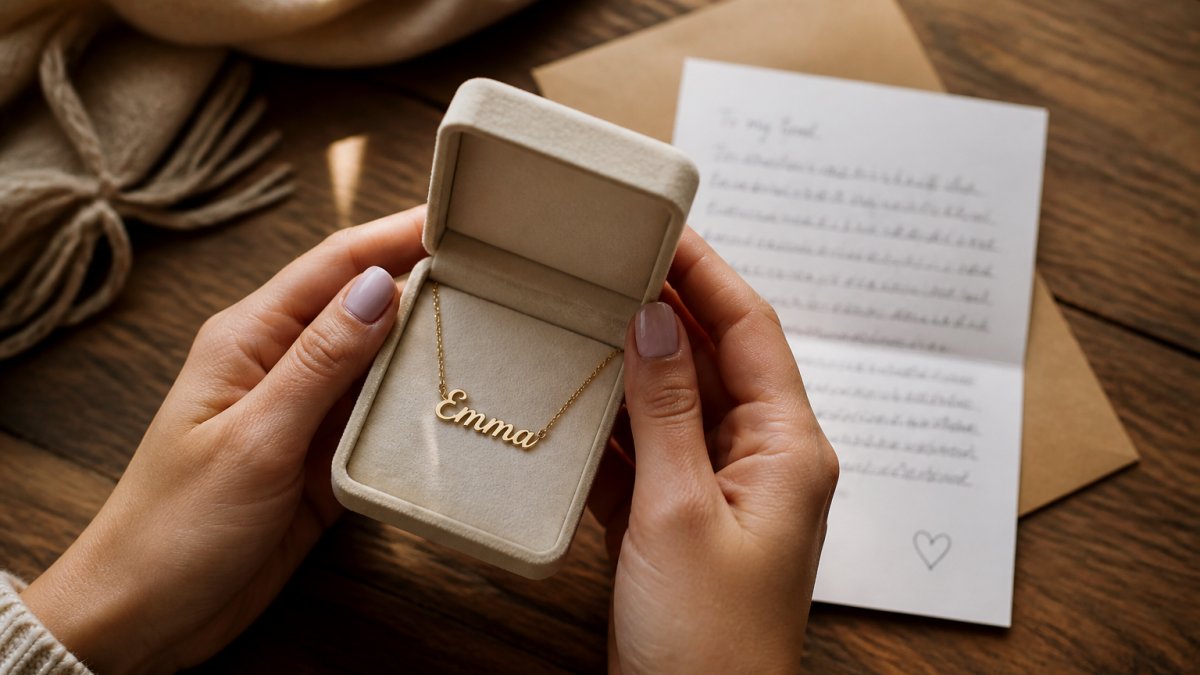
A few personalized options that tend to land well:
Gift Wrap with Personalized Message →
- A custom name necklace in stainless steel or 18K yellow gold finish
- A paw print necklace for the pet lover in your life
- A handwritten note tucked inside the box
- A gift wrap upgrade with a personalized message
The U.S. Federal Trade Commission guidance on "Made in USA" claims explains why country-of-origin claims matter to shoppers. Most products at The Basket Filler are designed and assembled in the USA, and that detail is part of the gift's story.

One common mistake: over-personalizing. A name is plenty. Adding a long quote or a busy design can make the item feel cluttered.
Corporate Gifting and Employee Recognition Done Right
Corporate gifting fails when it feels like a checkbox. Employee recognition works when the gift fits the person, not the org chart, and when the program behind it is designed, not improvised.
Build a Tiered Program, Not a One-Size Gift
The most reliable corporate gifting programs use tiers tied to the meaning of the moment, not to a single flat budget. A common pattern:
- Tier 1, Everyday recognition: A handwritten note, a small consumable, or a $10-$25 item for a job well done. Frequency matters more than value here.
- Tier 2, Milestones: Five-year anniversaries, project completions, certifications. A personalized item in the $50-$150 range, chosen from a short menu the employee picks from.
- Tier 3, Major milestones: Ten-plus years, retirement, major life events. A higher-value personalized piece, often paired with a public acknowledgment.
Tiering solves two problems at once: it keeps everyday recognition affordable and frequent, and it makes milestone gifts feel meaningfully different from a Tuesday thank-you.
Give Choice Without Giving Up Personalization
The classic corporate gifting failure is the branded mug nobody keeps. The fix is not to abandon personalization, it is to pair a small personalized element with a choice of useful items.
A workable formula:
- One personalized anchor (engraved name, monogram, or a note in the recipient's own words)
- Two or three useful options the recipient selects from
- A short, specific message about why they earned it, not a generic "thanks for all you do"
The message is the part most companies skip, and it is the part employees quote back years later.
Match the Gift to the Milestone
Different milestones call for different signals:
- Work anniversary: Something durable and personal, a quality pen, a leather notebook, a piece of jewelry for a ten-year mark.
- Project completion: Something consumable and shareable, a team dinner, a gourmet box, a round of coffee for the group.
- Promotion: Something that fits the new role, a nicer bag, a professional development course, a conference ticket.
- Personal milestone (new baby, wedding, loss): Follow the person's lead. Practical help and a sincere note beat any product.
Logistics That Protect the Gesture
A great gift delivered late reads as careless. A great gift delivered to the wrong address reads as chaos. A few operational rules that hold up:
- Confirm shipping addresses before ordering, not after
- Build in a buffer for custom and engraved items, which take longer than stock products
- Send to home addresses for personal milestones, office addresses for team-visible ones
- Keep a shared record of what was sent to whom, so you do not repeat the same gift two years running
- Include a gift receipt when the item is size- or taste-dependent
Measure What Actually Matters
Recognition programs are easy to run and hard to evaluate. The signals worth tracking are simple: whether employees mention the gift unprompted, whether managers use the program consistently, and whether milestone gifts arrive on time. A modest personalized item that arrives on the right day beats an expensive generic one that arrives a week late, every time.
When a Gift Misses the Mark: Recovery and Etiquette
Failed gift experiences happen to everyone. What matters is how you handle it.
Here is the recovery playbook:
- Thank the giver warmly, even if the gift missed
- Do not mention the miss in the moment
- If you are the giver, ask gently later what would work better
- Offer a gift receipt when you can, and say so without drama
- Learn from it, and update your notes
The "gift receipt" etiquette is simple: include one when you are unsure, and never make the recipient feel bad for using it. A receipt is not an insult.
If you ordered something custom and it arrived wrong, speak up right away. A 100% customer satisfaction guarantee exists for exactly that reason.
Conclusion: Small Details, Lasting Gratitude
Gift satisfaction rarely comes from a bigger budget. It comes from attention, timing, and a personal detail that shows you were really thinking about the person.
The challenge is that most of us shop in a rush, and rushed gifts read as rushed care.
That is where The Basket Filler comes in. We offer bespoke, rare products, most designed and assembled in the USA, with a 100% customer satisfaction guarantee and fast shipping. From custom jewelry to cozy home decor, each piece is built to feel personal.
Get started with The Basket Filler and give a gift that says what you actually mean.
Frequently Asked Questions
How do you know if a gift is truly thoughtful?
A thoughtful gift reflects the recipient's interests, needs, or memories rather than the giver's preferences. Signs include the recipient using or displaying it regularly, mentioning it in conversation weeks later, or telling others about it. Personalization, such as a custom name necklace or a handwritten note, signals that you paid attention to who they are. Thoughtful gestures do not need to be expensive; they need to show you listened.
Does the price of a gift affect recipient satisfaction?
Research on gift-giving shows that price has less impact on recipient satisfaction than thoughtfulness and personal relevance. A budget-neutral gift, like a framed photo or a personalized item under $30, often creates more emotional connection than a costly generic present. Recipients tend to value gifts that demonstrate understanding of their personality, hobbies, or milestones. Focus on fit, not dollar amount, to improve gift satisfaction.
How can you avoid the failed gift experience?
Avoid failed gift experiences by researching the recipient's preferences beforehand, asking gently through mutual friends or wish lists, and choosing personalized items that match their style. Include a gift receipt when appropriate so they can exchange if needed. Pay attention to social cues year-round, such as comments about items they admire. When in doubt, experiential gifts or curated collections tied to shared memories reduce the risk of a mismatch.
How do you choose a gift for someone who has everything?
For someone who has everything, shift from tangible rewards to experiential gifts or personalized items that carry emotional weight. A custom piece of jewelry, a photo book of shared memories, or a donation to a cause they care about often works better than another object. You can also ask their spouse, sibling, or close friend for hints. The goal is meaningful exchange, not adding to their clutter.


